Business Waste Removal in Shoreditch

Business waste removal in Shoreditch should feel organised, discreet and easy to schedule around work. Our service is set up for workplaces that need regular or one-off collections of general commercial waste, recyclable materials and bulky items that no longer belong on site. The emphasis is on clear sorting, practical loading and responsible transfer so day-to-day operations can continue with as little disruption as possible.
We handle collections for offices, retail units, studios, cafés, hospitality spaces and mixed-use premises that need waste taken away without turning the process into a project. Whether the task involves a few sacks after a refit or a fuller clearance of stored items, the aim is to match the collection to the type of material and the access available. Shoreditch businesses often need a flexible approach, especially where deliveries, customer footfall and shared entrances must be considered.
For a straightforward start, it helps to prepare a quick list of the main waste types, any items that need separating, and the times when access is simplest. If you already know whether the job is for a single clearance or something more routine, that makes it easier to shape the work sensibly. Tell us what needs removing and we can build the collection around the premises rather than forcing the premises around the collection.
Commercial waste collections tailored to the premises
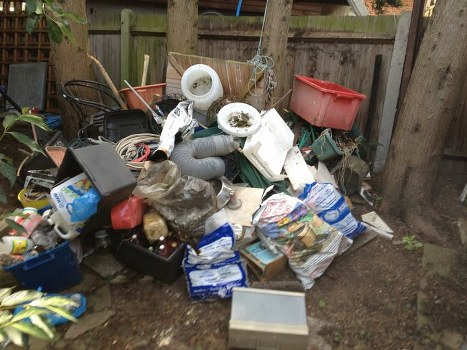
Different workplaces produce different waste streams, so our business waste removal service is arranged to deal with practical realities rather than a one-size-fits-all pattern. Some sites mainly generate general rubbish from offices and customer areas, while others produce packaging, shelf waste, unwanted stock or mixed items from a refit or clear-out. The collection plan should reflect those differences so the load can be handled efficiently and transferred with the right sorting in mind.
Where a business is clearing storage rooms, back-of-house areas or surplus equipment, we can remove mixed contents in a single visit if the items are suitable for commercial collection. That may include bags, dismantled furnishings, redundant office items and other non-hazardous material that has become a burden on the site. When a workplace is preparing for a change of layout, the removal can be timed to sit around staff movements and operating hours.
Common commercial waste support can include:
- office rubbish and routine workplace waste
- packaging, cartons and temporary storage materials
- bulky but manageable non-hazardous items
- redundant furniture and fixtures from business areas
- clearance of mixed commercial contents before a refit
Office clearances and workplace waste streams
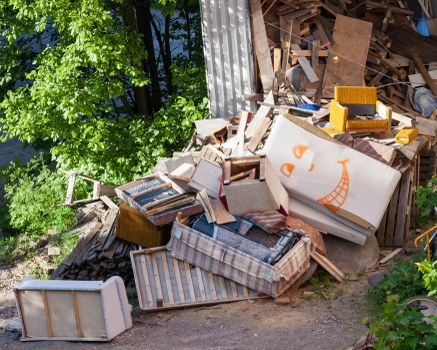
Office waste removal is often about restoring usable space as much as taking items away. Desks, chairs, filing materials, broken accessories and outdated workplace contents can accumulate quickly in open-plan rooms, meeting spaces and storage cupboards. We remove practical office waste in a way that keeps the process orderly, with attention to access routes, lift use and the need to avoid interfering with the rest of the building.
Where there is a larger change underway, such as a move, refurbishment or reduction in desk numbers, the collection can cover multiple categories at once. That may involve separating reusable-looking items from items destined for disposal, or grouping waste according to how it is already stored on site. A sensible plan reduces handling time and helps the premises return to normal sooner. If you know which rooms or floors are involved, it is worth noting that from the outset.
Office clearance is useful when the job goes beyond ordinary bagged waste and includes furniture, archive materials or a fuller strip-out of equipment. That page is a practical next step if your workplace needs a more structured removal rather than a simple pick-up. For broader commercial needs, our service can also cover mixed items from shared areas, back offices and support rooms when they form part of the same clearance.
Bulk items, furniture and fitted-out spaces
Many business waste jobs involve items that are too awkward for routine bin collection but do not need a specialist demolition approach. Tables, chairs, shelving, display units and other bulky contents can often be cleared as part of a commercial waste visit once they are ready to move. The practical question is usually less about weight alone and more about access, safe lifting and whether the items can be removed intact or need to be broken down first.
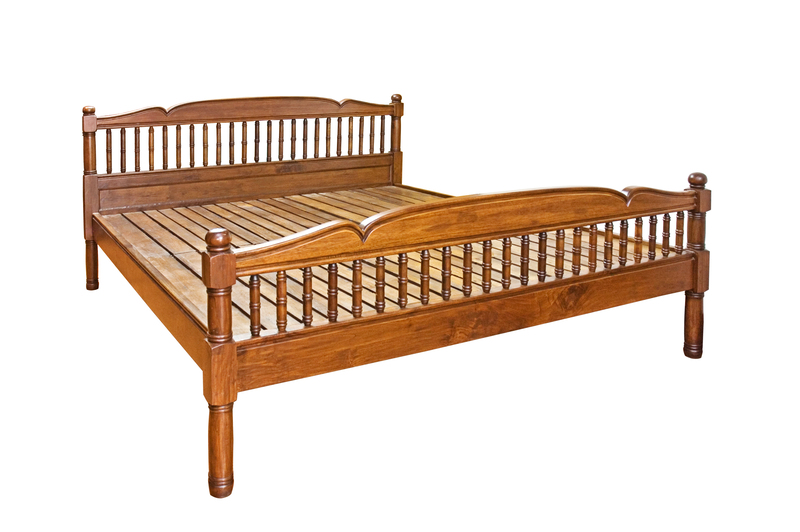
Furniture clearance is helpful when a workplace wants unwanted items taken away efficiently without deciding each piece separately. For some premises the emphasis is on bulk removal from a storage area; for others it is a tidier sweep through customer-facing rooms, staff areas or rented offices. If your business is replacing seating, replacing desks or removing unused display stock, keeping the collection grouped by area can make the whole process more manageable.
Good preparation usually comes down to a few simple things: keeping the intended items together, noting any pieces that should stay, and making sure routes to the collection point are clear enough for safe movement. That is not about creating extra work for you; it is about making the removal smoother on the day and reducing avoidable handling. When the items are bulky, the difference between a rushed job and a tidy one is often in the planning.
Shoreditch businesses and practical waste handling

Shoreditch is a district in the London Borough of Hackney, on the eastern side of central London, known for a dense mix of commercial streets, converted buildings and active creative and hospitality uses. The area’s street pattern still reflects earlier urban development, while later warehouse conversion and new-build schemes have changed the look of many blocks. Old and new architecture sit close together, with former industrial buildings, offices, galleries, food venues and retail spaces sharing the same compact urban setting.
The neighbourhood is closely associated with Brick Lane, Old Street and the wider Tech City area, and it also sits near parts of Hoxton and Spitalfields. Shoreditch High Street station provides an important rail link, while the area’s streets carry constant pedestrian movement between workplaces, shops and places to eat. Public spaces such as Shoreditch Park lie nearby, and the local character is shaped by street art, independent trading and a long history of reinvention. The result is a place where buildings, uses and visitors change from one block to the next.
That layered urban fabric means collections often have to be planned with care, especially where properties share access, loading space or narrow frontages. The area remains strongly associated with creative work, hospitality and office use, but it also has residential pockets and mixed-use developments. Its profile is therefore best understood as a compact inner-London district with a busy commercial edge, shaped by transport links, conversion-led development and a lively street environment.
Waste types, sorting and responsible disposal
Business waste removal is most useful when the waste has been identified clearly enough to decide how it should be handled. General commercial rubbish, separated recyclables, cardboard, furniture, fixtures and packaging can usually be grouped in ways that make loading simpler. Where materials are mixed, the work becomes more about sorting and separating what can be dealt with alongside the main collection. That keeps the service efficient and avoids unnecessary handling later.
Some items need more care than ordinary office waste. Fridges, appliances and certain controlled materials are not simply another bag to move, and they require the right type of handling. If your premises contain items that could raise safety or compliance questions, it is better to flag them early than leave them to be discovered during the clearance. That applies to content in storage rooms, basement areas and old back-of-house spaces as much as it does to visible items in the office.
Recycling and sustainability is relevant when you want to understand how different waste streams can be separated and treated with more care. For workplaces that generate repeat volumes, this kind of approach helps make the removal more orderly and can support a cleaner, more predictable routine over time. If you are unsure how your materials should be grouped, asking before the collection is usually the easiest way to avoid confusion.
Preparing a business waste collection

One of the most useful parts of preparing for business waste removal is deciding what actually needs to go. A short inventory, a few photographs or a clear room-by-room description can be enough to show whether the work is routine rubbish removal, a bulky-item clearance or a fuller commercial declutter. That does not need to be complicated; the point is to reduce guesswork and make the collection match the site conditions from the start.
It also helps to think about access. Stairways, lifts, narrow corridors, reception points and loading arrangements can all affect the most efficient way to complete the job. If there are time windows when customers, staff or deliveries make movement awkward, mention them early. Practical access information is often more valuable than a long description because it helps shape the collection around real conditions, rather than an idealised version of the premises.
Pricing and quotes is the natural place to look if you want to understand the factors that can influence a business waste collection estimate. The size of the load, the type of waste, access difficulties and whether the job is a one-off or a fuller clearance can all affect how the work is assessed. If you are ready to move forward, you can request a quotation based on the items and access available.
Business spaces, back rooms and stock areas
Commercial waste removal is not limited to the visible parts of a business. Back rooms, stock spaces, storerooms and underused corners often accumulate the kind of material that is awkward to leave in place but easy to overlook. Once those spaces fill up, they can affect how smoothly the rest of the premises function. Clearing them can restore usable storage, improve movement and make it easier to manage ordinary daily operations.
For premises with changing stock, rotating displays or temporary build-outs, the waste stream may include packaging, out-of-season items, damaged goods or dismantled fittings. We can remove those items as part of a wider business clearance, provided they are suitable for the collection. In some cases the work is best done in stages so that essential equipment remains in place while redundant material is taken away. That approach can suit shops, studios and hospitality venues alike.
Builders waste clearance may be relevant where your business has had construction, refurbishment or fit-out activity and needs associated debris removed. It is a useful route for premises that are dealing with leftover materials from work on the building rather than ordinary commercial rubbish alone. If the job includes mixed contents from several parts of the site, the waste can often be handled more effectively when the construction-related items are separated from the rest.
Office moves, changes and repeated collections
Some clients need a single clearance; others need a more recurring approach to waste management. Repeated collections can suit businesses that generate a steady flow of office rubbish, packaging or mixed commercial waste and want to keep spaces clear without allowing buildup. The key is consistency: once the collection pattern is sensible for the premises, it becomes easier to keep the workplace tidy and avoid a larger job later on.
When a move or reconfiguration is underway, collections may be needed in phases. Old furniture might go first, then archive materials, then remaining loose waste after the last workstation has been cleared. Working in sequence can be more effective than trying to remove everything in one hurried step. It also gives the business more control over what stays and what leaves, which matters when layouts are changing and decisions are still being made.
If you are comparing ways to clear a workplace, our service can sit alongside broader waste removal options where the load is not limited to one category of item. That can be useful for mixed premises that generate several types of waste in the same area. A broad but organised approach is often the simplest way to deal with an office, unit or shop that has accumulated more than one kind of unwanted material.
What helps us plan the collection
To plan a sensible collection, it is useful to know whether the waste is bagged, loose, stacked, boxed or still in place. That gives a better sense of the handling required and whether any dismantling or separation will be needed before removal begins. A clear note about floors, loading access and the approximate amount involved is usually enough to move from a general enquiry to a workable plan without unnecessary back-and-forth.
Timing is another practical factor. If the premises operate around customer appointments, deliveries or shared building rules, those details can shape the collection window. Some jobs are best kept brief and direct; others need a little more time so that items can be sorted safely and taken away without disturbing the rest of the site. The better the timing fits the premises, the smoother the removal usually becomes.
For businesses that want to arrange a visit or outline the materials first, the simplest step is to send a clear request with the key details and ask for a quotation. If you already know the main category of waste, that helps narrow the plan quickly. When you are ready, contact us to request a quote and discuss the most suitable collection.